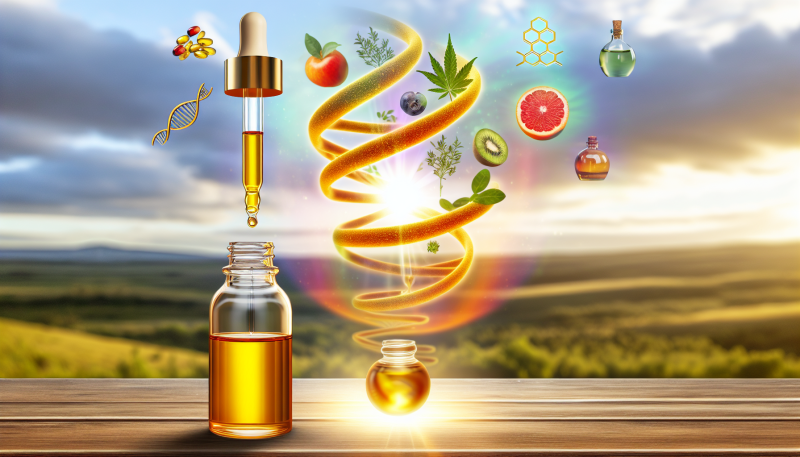
Cannabidiol, commonly known as CBD, is a natural compound found in the cannabis plant. Unlike its more famous cousin, THC, which is responsible for the psychoactive effects of marijuana, CBD does not produce a "high." This unique property has drawn considerable attention from researchers, health enthusiasts, and those seeking alternative therapies for various ailments.
CBD interacts with the body through its endocannabinoid system (ECS), a complex cell-signaling system that plays a crucial role in regulating numerous physiological processes. The ECS consists of receptors, endocannabinoids, and enzymes that work together to maintain balance, or homeostasis, within the body. CBD primarily binds to two main receptors, CB1 and CB2, although its exact mechanisms are still being studied. This interaction can lead to various effects, such as reduced inflammation, relief from anxiety, and improved sleep quality.
One of the reasons why CBD has gained popularity is its potential therapeutic benefits. People are using CBD for a wide range of conditions, including chronic pain, anxiety disorders, and epilepsy. Early research suggests that CBD may help reduce anxiety levels, improve mood, and alleviate stress by influencing the way the brain processes these emotions. Furthermore, some studies indicate that CBD can effectively reduce seizures in certain types of epilepsy, making it a valuable option for patients seeking relief from debilitating symptoms.
It’s important to note that while CBD is generally considered safe, individual responses can vary. Factors like dosage, the method of consumption, and individual health conditions play a significant role in how effectively CBD can work for someone. As more research continues to unfold, users are encouraged to approach CBD with a well-informed perspective, consulting with healthcare professionals to determine what might work best for them.
Health Benefits of CBD You Should Know
CBD, short for cannabidiol, has gained widespread attention for its potential health benefits. One of the most notable advantages of CBD is its ability to alleviate anxiety and stress. Many users report feeling more relaxed and calm after using CBD oil or other products. This calming effect may be particularly helpful for those facing daily stressors or dealing with anxiety disorders, as it promotes a sense of wellbeing without the psychoactive effects associated with THC.
Another significant health benefit of CBD is its potential to reduce inflammation and pain. Research suggests that CBD interacts with the body’s endocannabinoid system, which plays a crucial role in regulating functions like sleep, immune response, and pain perception. People suffering from chronic pain conditions, such as arthritis or fibromyalgia, have found relief by incorporating CBD into their wellness routines, allowing them to enjoy a better quality of life.
CBD may also aid in improving sleep quality. Many individuals struggle with insomnia or disrupted sleep patterns, and studies have shown that CBD can help promote more restful sleep. By addressing anxiety and pain, CBD allows users to relax more, which can lead to better, uninterrupted sleep. This restorative benefit is especially important for overall health, as quality sleep supports mental and physical wellbeing.
Finally, emerging research indicates that CBD might support heart health. Some studies suggest that CBD may reduce high blood pressure and lower the risk of related cardiovascular issues by acting as an antioxidant and anti-inflammatory agent. For those looking to maintain a healthy lifestyle, incorporating CBD could be a natural addition to support heart health and overall wellness.
Different Forms of CBD Available Today
cannabidiol (CBD) is becoming increasingly popular, and it's no surprise that a variety of forms are now available on the market. Each form has unique characteristics, making it easier for individuals to find the right fit for their lifestyle and preferences. Let's explore some of the most common forms of CBD available today.
One of the most popular forms is CBD oil, which is extracted from the hemp plant and can be taken sublingually (under the tongue) for fast absorption. CBD oil is known for its versatility; it can be added to food or drinks, or applied topically for local relief. It's an excellent choice for those seeking a more concentrated dose of CBD.
Another common option is CBD capsules. These are convenient and easy to consume, making them a great choice for people who prefer a pre-measured dose. Capsules are also odorless and tasteless, which is ideal for those who might be sensitive to flavors or scents. This form takes longer to take effect since it must pass through the digestive system, but the effects tend to last longer compared to other forms.
CBD gummies have gained substantial popularity due to their fun and tasty nature. Available in various flavors, these chewy treats are a discreet way to enjoy CBD without the need for measuring doses. Gummies make it easy to incorporate CBD into your daily routine, especially for those who might be reluctant to take oil or capsules. However, like capsules, they also take time to digest before the effects are felt.
For those looking for localized relief, topical products such as creams, balms, and salves infused with CBD are a great option. These products are applied directly to the skin and are perfect for targeting specific areas, like sore muscles or joints. Topicals offer the advantage of delivering CBD without entering the bloodstream, which can be ideal for individuals who want relief without systemic effects.
How to Choose the Right CBD Product
Choosing the right CBD product can seem overwhelming at first, but it doesn't have to be. The first step is to understand the different forms of CBD available. You can find it in oils, capsules, edibles, topicals, and more. Each type has its own benefits and uses, so consider what works best for you. For example, oils and tinctures are great for quick absorption, while edibles provide a longer-lasting effect.
Next, pay attention to the CBD concentration. Products will vary in strength, and it's essential to pick one that matches your needs. If you are new to CBD, it's often recommended to start with a lower concentration and gradually increase it until you find your optimal dosage. This approach allows you to understand how your body responds without overwhelming it.
Another crucial factor is the source of the CBD. Look for products made from high-quality, organic hemp. Brands that provide transparent information about their sourcing, extraction methods, and lab testing are often more trustworthy. Third-party lab tests can confirm the product's purity and potency, ensuring you know exactly what you’re consuming.
Finally, consider any specific health concerns you may have. Some CBD products are designed with particular benefits in mind, such as promoting relaxation, easing discomfort, or supporting skin health. Reading labels and researching ingredients can help you find a product tailored to your unique needs.